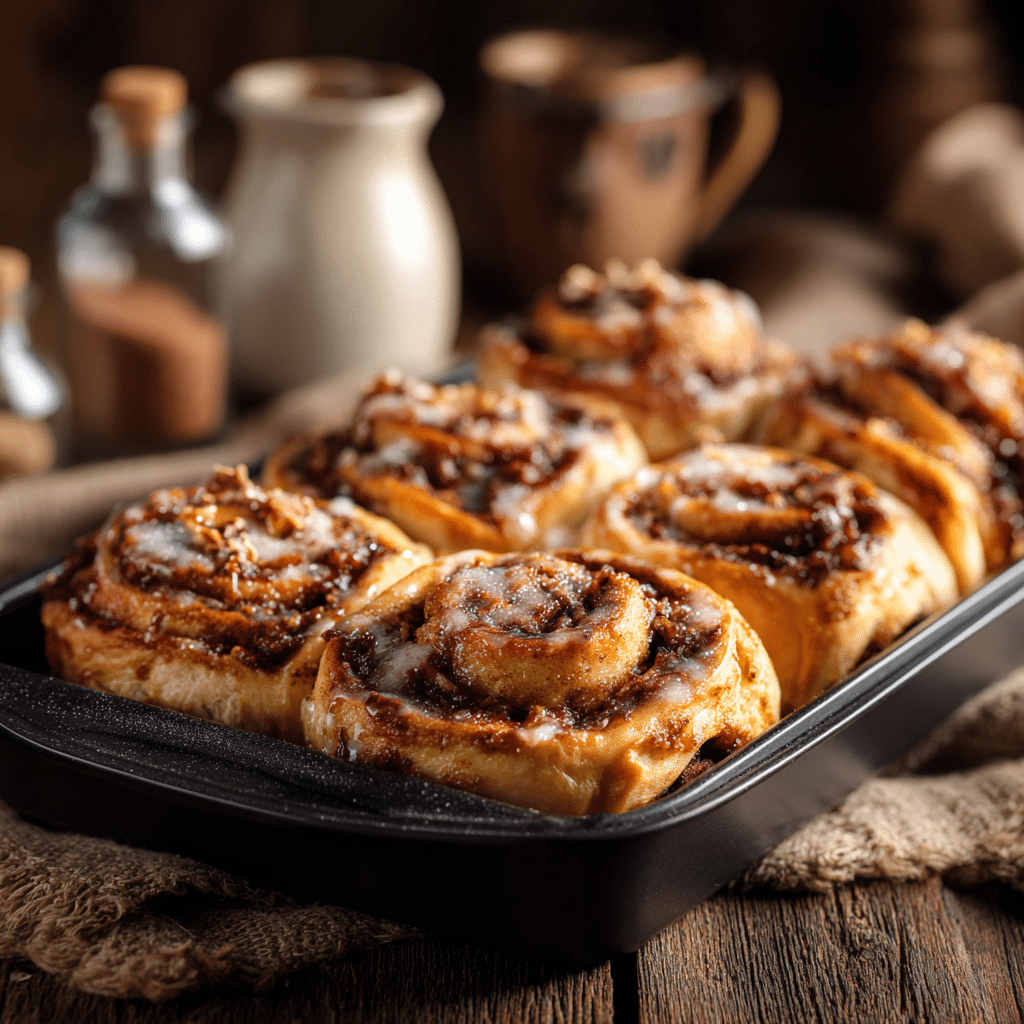
Unlock the Secret to Perfect Soft & Fluffy Gluten-Free Vegan Cinnamon Rolls
For many, the thought of biting into a warm, gooey cinnamon roll is pure bliss. But for those navigating gluten-free and vegan diets, this classic comfort food often feels like a distant dream. The quest for truly soft, fluffy, and tender
gluten free cinnamon rolls vegan friendly can seem like searching for a culinary unicorn – many attempts, few successes. Yet, we're here to tell you that this elusive pastry is not only possible but entirely achievable in your own kitchen. Prepare to transform your special breakfasts and holiday gatherings with cinnamon rolls so perfect, even your non-dietary-restricted friends will be asking for the recipe!
The "Unicorn" Challenge: Why Gluten-Free Vegan Cinnamon Rolls Seem So Elusive
Baking, particularly with yeast, is an art and a science that relies heavily on the unique properties of gluten. Gluten, a protein composite found in wheat, is responsible for the elasticity and structure that allows traditional yeast doughs to rise, giving bread and pastries their characteristic chewiness and airiness. Remove gluten, and you’re faced with a dough that lacks structure, often resulting in dense, crumbly, or flat baked goods. Add the vegan element – replacing dairy butter and milk, and sometimes eggs – and the challenge intensifies. Vegan substitutes must mimic the fat content, moisture, and binding properties that contribute to the rich flavor and tender texture of traditional rolls.
This combination of dietary requirements has historically made achieving the quintessential soft and fluffy cinnamon roll a formidable task. Bakers often recount numerous failed attempts, ranging from hockey puck-like creations to rolls that simply refused to rise. The "unicorn" analogy isn't an exaggeration; perfecting
gluten free cinnamon rolls vegan style requires a deep understanding of ingredients and their interactions. However, advances in gluten-free flours and plant-based baking have paved the way for recipes that finally deliver on the promise of irresistible rolls, proving that belief (and a lot of testing!) can lead to culinary triumph. If you're looking for a simpler approach, you might find
Easy Gluten-Free Vegan Cinnamon Rolls: Your Go-To Recipe particularly helpful.
Mastering the Dough: Flour Blends, Yeast Activation, and Achieving That Perfect Rise
The foundation of any great cinnamon roll lies in its dough, and for
gluten free cinnamon rolls vegan, this is where the magic truly begins. The right blend of gluten-free flours is paramount. Unlike baking with a single wheat flour, gluten-free baking often requires a thoughtful combination of flours and starches to replicate the desired texture and structure.
Many successful recipes, for instance, highlight the effectiveness of a good all-purpose gluten-free baking flour blend. Bob's Red Mill 1:1 Gluten Free Baking Flour is a popular choice, lauded for its consistency and ease of use. This blend typically combines sweet rice flour, brown rice flour, potato starch, tapioca flour, sweet white sorghum flour, and crucially, xanthan gum. Each component plays a vital role: rice flours provide structure, starches contribute to lightness and tenderness, and xanthan gum acts as a binder, mimicking the elasticity usually provided by gluten. It eliminates the need for stocking multiple obscure flours and consistently delivers a light and fluffy result. For an even deeper dive into flour selection, consider exploring
The Best Gluten-Free Vegan Cinnamon Rolls with One Simple Flour. Other recipes might opt for a blend of gluten-free all-purpose flour and almond flour, which adds a delicate crumb and richness.
Beyond the flour, yeast is the heart of any risen dough. Intimidation by yeast is common, but it's simpler than you think. The key is proper activation. Yeast thrives in warmth, not extreme heat. Your plant-based milk (almond, soy, or oat milk all work well, with almond often favored for its neutral flavor) should be warmed to an ideal temperature of 105-115°F (40-46°C). Too hot, and you'll kill the yeast; too cold, and it won't activate. Once dissolved in the warm milk with a pinch of sugar (its food source), the yeast should become foamy and bubbly within 5-10 minutes, indicating it’s active and ready to make your rolls rise "to the heavens." Incorporating vegan butter (like Earth Balance or Miyoko's Kitchen) provides the richness and moisture needed for a tender interior and flaky exterior, elevating the texture of your dough considerably.
Crafting the Rolls: From Rolling to Baking Perfection
Once your dough is perfectly mixed and kneaded (even gluten-free dough benefits from a light knead to distribute ingredients), the next crucial step is rolling it out. This often looks daunting, but it doesn't have to be. A simple trick to manage gluten-free dough, which can sometimes be stickier or more delicate than wheat dough, is to use plastic wrap. Lay down a sheet of plastic wrap on your clean work surface, dust it lightly with gluten-free flour, plop your dough on top, and then cover it with another sheet of plastic wrap. This creates a non-stick environment, allowing you to roll the dough into a consistent, thin rectangle without it clinging to your rolling pin or work surface. Aim for an even thickness, as this ensures uniform baking and beautiful swirls.
After sprinkling generously with your cinnamon-sugar filling and carefully rolling it into a log, the slicing process requires a gentle hand. A sharp, un-serrated knife or even dental floss can help create clean cuts without squishing your beautiful spirals. Arrange your rolls snugly in a baking dish or cast-iron skillet – the close proximity encourages them to rise together and stay moist.
Now comes the second rise. This short proofing period is essential for developing the final light and airy texture. Place your rolls in a warm, draft-free spot, perhaps a slightly warm (turned off) oven or near a sunny window, allowing the yeast to work its magic and expand the dough until the rolls are almost touching. This visual cue tells you they're ready for the oven.
Baking gluten-free vegan cinnamon rolls requires careful attention. A preheated oven and a relatively short baking time are key. You're looking for golden-brown edges and a soft, slightly yielding center. Over-baking can lead to dry rolls, so keep a close eye on them, especially towards the end of the suggested baking time. The aroma filling your kitchen will be your reward long before they even come out of the oven!
The Finishing Touch: Glazes, Frostings, and Serving Suggestions
No cinnamon roll, whether traditional or gluten-free vegan, is truly complete without a luscious topping. This final flourish not only adds sweetness but also contributes to the moistness and overall sensory experience. The good news is that there are fantastic vegan options for every preference.
For a classic, simple glaze, a combination of powdered sugar and a touch of plant-based milk (or even a squeeze of lemon juice for a bright counterpoint) is often all you need. Whisk it until smooth and pourable, then drizzle generously over your warm rolls. The residual heat from the rolls will slightly melt the glaze, allowing it to seep into every crevice.
If you crave something richer and more decadent, a vegan cream cheese frosting is the ultimate indulgence. This typically involves softened vegan cream cheese, vegan butter, powdered sugar, and a hint of vanilla extract. Beat these ingredients together until light and fluffy for a frosting that mirrors the tang and creaminess of its dairy counterpart. Apply this luxurious topping once the rolls have cooled slightly but are still warm, allowing it to melt just enough to create that iconic gooey cascade.
These tender, flaky, cinnamon-spiked delights are versatile. They are, of course, the perfect star for a lazy weekend breakfast or a special holiday brunch. Imagine them gracing your Christmas morning table or as a festive treat for Thanksgiving. But don't limit them to special occasions; they also make a delightful dessert after a meal or a comforting afternoon pick-me-up with a cup of coffee or tea. Store any leftovers in an airtight container at room temperature for up to four days to maintain their freshness, though honestly, they rarely last that long!
Conclusion
The journey to crafting the perfect soft and fluffy
gluten free cinnamon rolls vegan friendly might seem like a long one, but with the right ingredients, techniques, and a dash of patience, it’s a deeply rewarding experience. From understanding the nuances of gluten-free flour blends and mastering yeast activation to the surprisingly simple rolling method and the crucial finishing touches, every step contributes to a pastry that rivals its traditional counterparts. You’ve now got the insights to bake a batch of cinnamon rolls that are not just "good for being gluten-free and vegan," but genuinely delicious, tender, and utterly irresistible. So, roll up your sleeves, preheat your oven, and prepare to bring this culinary unicorn to life in your very own kitchen. Happy baking!